Harnessing Emotional Agility: A Guide for Academia
4 min read
What is Emotional Agility?
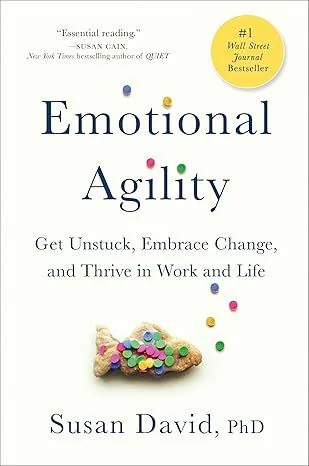
"Emotional Agility," authored by Susan David, PhD, is a groundbreaking book that explores how to navigate life's emotional challenges with clarity, purpose, and resilience. David, a psychologist and expert on emotions, introduces the concept of emotional agility as a key to thriving in work and life. At its core, emotional agility is about being flexible with your thoughts and feelings, allowing you to approach life’s challenges with a clear mind and open heart.
The principles outlined in "Emotional Agility" are particularly valuable for academic leaders, faculty members, and students. They offer practical tools for better leadership, more effective teaching, and deeper support for students. In the often complex and demanding environment of higher education, developing emotional agility can lead to more meaningful connections with colleagues and students, as well as more fulfilling professional experiences.
Key Takeaways from Emotional Agility
- Embrace Your Emotions, But Don’t Let Them Drive: Emotional agility teaches us that all emotions, even the uncomfortable ones, have value. Rather than suppressing or being controlled by emotions, it's important to acknowledge them, understand their origins, and then choose how to respond thoughtfully. This approach allows for better decision-making and leadership.
Application to Academia: As a faculty member or leader, it’s crucial to recognize your own emotional responses to stressful situations—whether it’s dealing with administrative challenges, student concerns, or faculty conflicts. By acknowledging these emotions without letting them dictate your actions, you can model emotional resilience for your students and colleagues. - Step Out of the Comfort Zone: David emphasizes the importance of stepping out of habitual, automatic ways of thinking and reacting. Emotional agility involves being open to new experiences and perspectives, which fosters personal growth and adaptability.
Application to Academia: In the academic environment, this might mean embracing new teaching methods, being open to feedback from students and peers, or taking on leadership roles that push you out of your comfort zone. By doing so, you grow as an individual and create a more dynamic and innovative learning environment for your students. - Living by Your Values: A central theme in "Emotional Agility" is the importance of aligning actions with core values. When faced with difficult decisions, returning to your values helps to clarify the right course of action.
Application to Academia: As an academic leader or faculty member, your values should guide your interactions with students, colleagues, and the institution. Whether it’s a commitment to academic integrity, inclusivity, or student success, aligning your actions with these values helps to build trust and respect within your academic community. - Create Space Between Stimulus and Response: Emotional agility involves creating a psychological space between what happens to you (stimulus) and how you respond (reaction). This space allows you to act in ways that are consistent with your values and long-term goals, rather than reacting impulsively.
Application to Academia: In higher education, where decisions can impact student lives and academic careers, creating this space is essential. Whether responding to a challenging email, addressing a classroom issue, or making policy decisions, taking a moment to pause and reflect can lead to more thoughtful and effective outcomes.
Supporting Students Through Emotional Agility
In addition to improving leadership and teaching, the principles of emotional agility offer valuable insights for supporting students. Students often face significant emotional challenges during their academic journey, from the stress of exams to the pressure of navigating future career paths. As educators, modeling emotional agility can provide students with a framework for managing their own emotions and making thoughtful decisions.
- Modeling Resilience: By demonstrating how to navigate emotions and challenges with agility, educators can inspire students to do the same. This can be particularly impactful in moments of academic stress or personal difficulty.
- Encouraging Self-Reflection: Encourage students to reflect on their emotions and thoughts, helping them to understand the root causes of their feelings and how to manage them effectively. This practice can lead to better academic performance and personal growth.
- Promoting Values-Based Decision Making: Guide students in identifying their own values and making decisions that align with those values. This not only helps them in their academic pursuits but also prepares them for life beyond the classroom.
Conclusion: The Path to Effective Leadership and Education
"Emotional Agility" offers a powerful framework for navigating the complexities of leadership and education. By embracing emotional agility, academic leaders and faculty members can create a more supportive, adaptive, and resilient educational environment. These principles not only enhance personal and professional development but also empower students to navigate their own challenges with confidence and clarity.
Originally published on C.O.R.E Framework.