
Compassion Solution
Helping healthcare providers and systems understand the value of compassion in improving the lived experience of every stakeholder, and building sustainable systems for cultivating it.
Speaker/Educator/Clinician
DPT, ATP, C-AAIS, EdD Candidate
Pronounced “lohm-DEW”
Repairing systems to restore workplace well-being: moving past the burnout narrative toward systems that cultivate compassion, respect human beings and support flourishing. Helping people and organizations develop and implement technology that enhances compassion and connection rather than extinguish it.
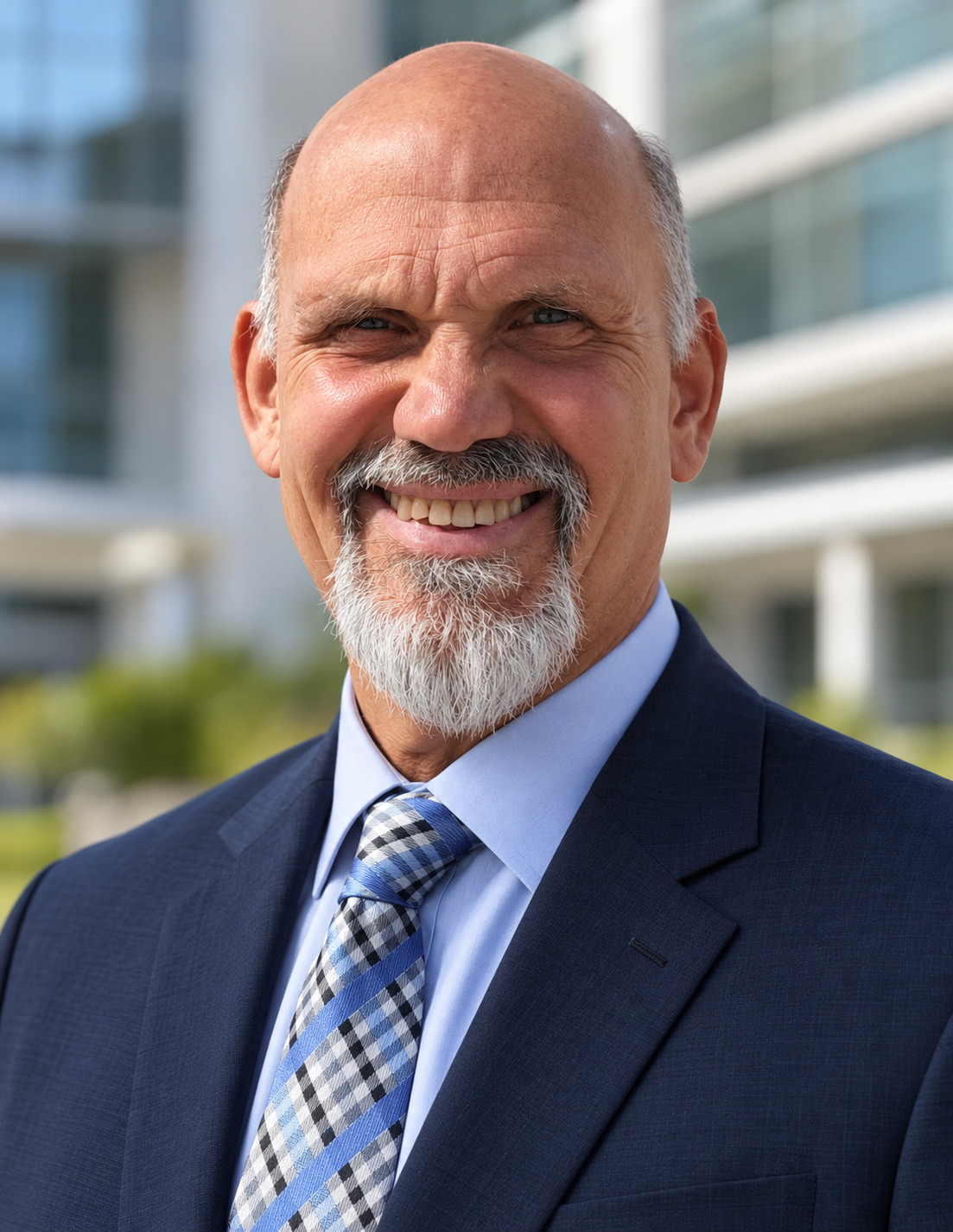
To be an active participant in the success of others. To take what my life has taught me and build it into something another person can use. To cultivate and advocate for compassion in organizations and systems. To meet myself and everyone else, including the difficult and the ones I will never meet, with compassion rather than fear. To say the true thing when it is unwelcome, and to say it kindly. To be curious by discipline, humble by conviction. To hold my ideas firmly enough to test them and loosely enough to change them.
About
Dr. Russ L'HommeDieu (lohm-DEW) has been a practicing physical therapist for over 35 years. As a Doctor of Education candidate in Healthcare Education & Leadership, his work focuses on repairing workplace well-being architecture, moving past the superficial burnout narrative to dismantle Occupational Distress Syndrome (ODS).
From pioneering smart-home sensor systems for the Veterans Administration to advising deep-tech AI startups and co-founding an independent social-emotional learning children's publishing house, Russ blends clinical rigor with product intuition, instructional design, and narrative storytelling. He builds systems, products, and learning experiences that respect human time and elevate human flourishing.
He is also a certified Animal-Assisted Intervention Specialist, an RESNA Certified Assistive Technology Professional (ATP), a Wellcoach® trained wellness coach, and a National Association of Home Builders trained Aging in Place Specialist, and he has completed the Harvard Bok Higher Education Teaching Certificate. As the owner of a rehabilitation staffing company, he brings a rare perspective that bridges clinical practice and the business realities of healthcare.
What makes Russ effective as a speaker is not that he presents himself as someone with all the answers. He shows up as someone who has walked through struggle, burnout, and challenge, and who continues to navigate that journey with humility, honesty, and courage. He speaks not from perfection, but from experience, reflection, and deep care for the well-being of others.
Compassion is not a soft skill bolted onto a broken system; it is load-bearing. The work is to build sustainable structures where compassionate care can actually survive the demands placed on it.
Grounded in Carol Ryff's eudaimonic model, I look past whether people are simply coping to whether they are growing: autonomy, purpose, mastery, and connection are outcomes worth designing for.
Access is not an accommodation added at the end. From smart-home sensors to ramps to reading levels, the goal is environments and experiences that meet people as they are.
Every product, lecture, and learning experience should earn the minutes it asks for: concise, organized, relevant, and engaging, or it does not ship. Rigor and story both do that work. Clinical evidence and narrative are not rivals; data earns trust while story makes it stick and moves people to act, so I insist on both.
Every person and every animal deserves to be met with warmth, dignity, and genuine care. This conviction grounds my animal-assisted work and everything else; how we treat one another is the truest measure of any system.
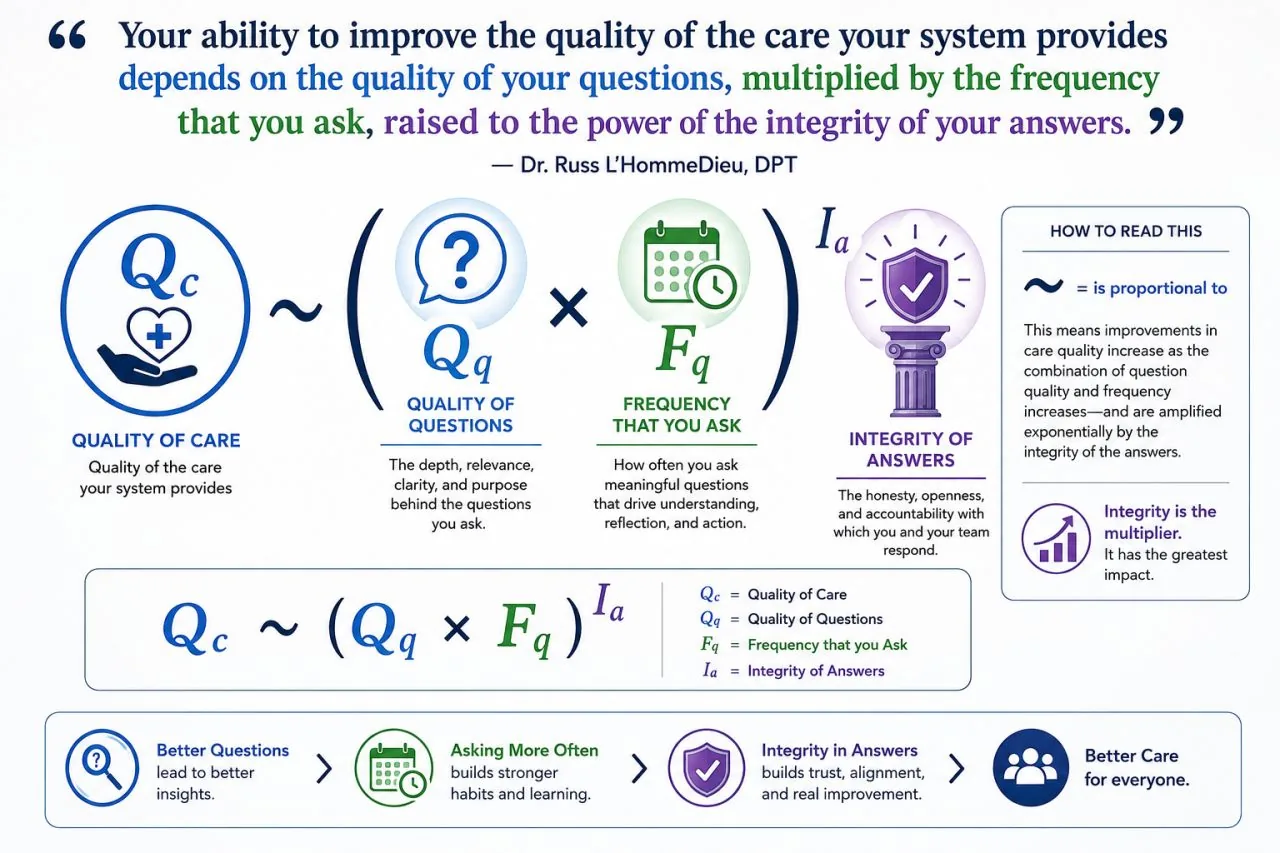
My substantial curiosity lets me question thoughtfully and deeply, while intellectual flexibility lets me hold answers loosely. Better care depends on the quality of the questions you ask, multiplied by how often you ask them, raised to the power of the integrity of your answers. That conviction drives my research: pursuing truth in the service of doing good.
The work
Everything below is a different expression of the same commitment: helping people and the systems around them flourish. Use this as a dashboard to jump into any part of the work.
The ideas underneath the work: how workplace suffering happens, and how compassion can be cultivated on purpose.
Helping healthcare providers and systems understand the value of compassion in improving the lived experience of every stakeholder, and building sustainable systems for cultivating it.
A precise framework that moves beyond the burnout metaphor. Grounded in Carol Ryff's eudaimonic well-being model, ODS names how organizational demands damage internal flourishing, with assessment tools and evidence-based pathways to restore it.
An instructional-design methodology ensuring every learning experience is Concise, Organized, Relevant, and Engaging: a repeatable structure for content that learners retain, apply, and turn into behavior change.
Methodology developed by Dr. L'HommeDieu
Where the frameworks meet real organizations, clinicians, and patients.
A healthcare consulting practice specializing in training and leadership coaching, instructional design, and health-tech innovation, building sustainable systems for professional development, compassionate care, and the thoughtful integration of emerging technology.
Northeast Restorative Physical & Occupational Therapy Services, a rehabilitation staffing company dedicated to the highest quality of patient care, with a focus on compassion, professionalism, and the best possible outcomes.
Aging-in-place and home safety assessments that help people remain independent and safe where they live, translating clinical insight and accessibility standards into practical modifications for the real home.
Dr. Russ is a National Association of Home Builders trained Aging in Place Specialist
Teaching and empowering children through the power of story.
Co-founded with Karen L'HommeDieu and inspired by their three-legged therapy dog, Daisy. An independent house creating books that celebrate inclusion, resilience, and social-emotional learning for young readers everywhere.
Dr. Russ is a Certified Animal-Assisted Intervention Specialist (C-AAIS)
Small, practical tools built to make clinical work easier and more precise.
A calculator that helps clinicians plan and visualize wheelchair ramps: solving for length, grade, and run against real accessibility geometry so recommendations are safe and code-aware.
A DIY walker odometer that assists in performing the 10-Meter Walk Test and the Timed Up and Go (TUG), turning an everyday device into a source of objective outcome data.
A journey that started personally and became a free program for others.
Over twenty years ago, Doc Russ lost over 200 pounds. He became a Wellcoach® and volunteered as a presenter for the Veterans Administration's MOVE program, then developed Lose Weight for Good as an audio program based on those lectures. It is now free and available to everyone.
After losing over 200 pounds, Doc Russ took on an audacious endurance adventure: a solo 270 mile sea kayak all the way around Long Island, completed in 8.5 days. Proof of what restored health makes possible.
The record
How I design learning that respects human time and translates into real behavior change.
Occupational Distress Syndrome, eudaimonic well-being, and cultivating compassion in healthcare.
Thirty-five years of clinical practice, education, credentials, and innovation.
Writing
6 min read
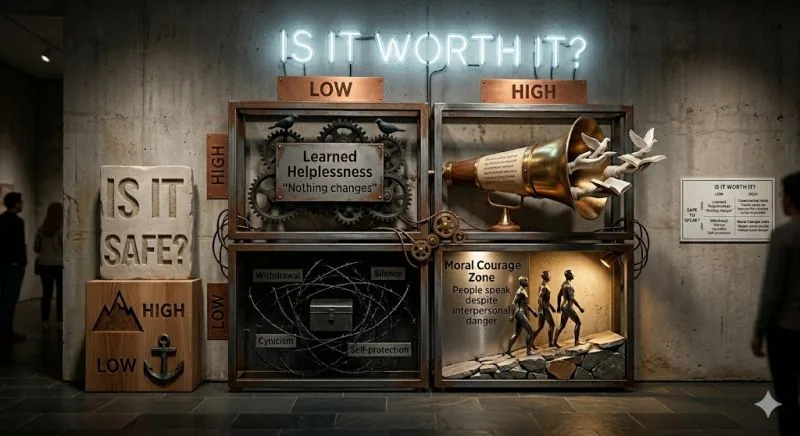
Before anyone raises a concern, they quietly ask two questions: Is it safe? and Is it worth it? A poster answers neither. A look at the research behind speak-up culture, the four quadrants of voice and silence, and why the answer is the only thing leaders actually control.
5 min read
Quality of care is proportional to the quality of your questions, multiplied by how often you ask, raised to the power of the integrity of your answers. A walk through the equation — and why honest answers are the exponent that amplifies everything else.
3 min read
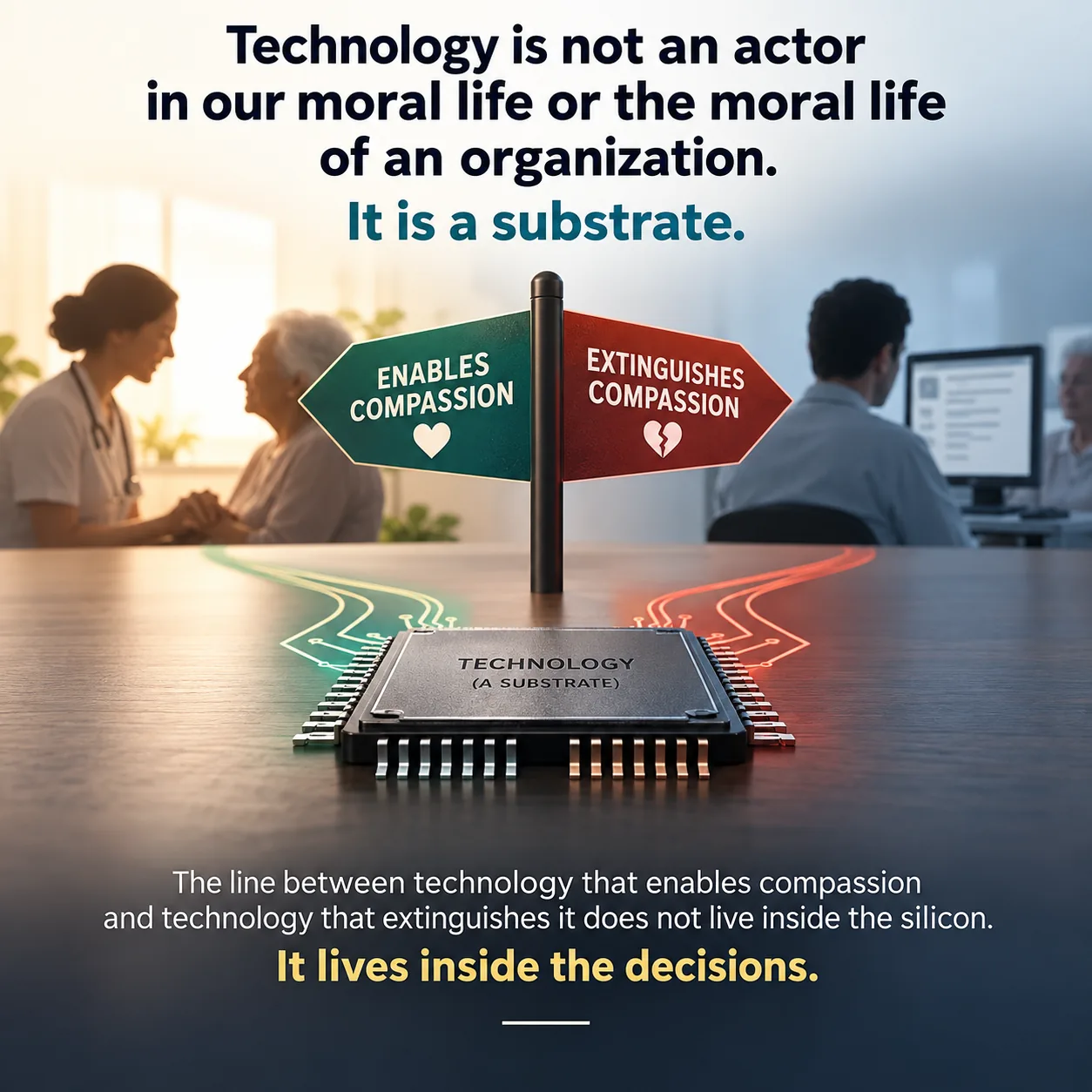
The same device can enable compassion or extinguish it, and the difference is never settled in the silicon. Six questions — for leaders, clinicians, students, prescribers, and builders — about where moral responsibility for technology actually sits.