
How the CORE Framework Supports Universal Design in Education.
5 min read
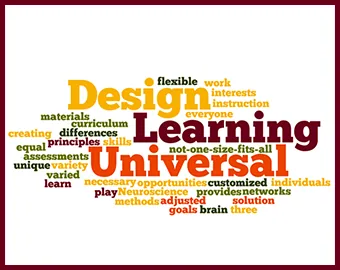
Universal Design for Learning (UDL) provides a framework that emphasizes flexibility and inclusivity, ensuring that all students, regardless of their abilities or backgrounds, have equal opportunities to learn. The CORE Instructional Design Framework—focusing on Concise, Organized, Relevant, and Engaging elements—aligns closely with the principles of Universal Design, offering educators a powerful tool to create learning experiences that cater to diverse needs.
Understanding Universal Design for Learning (UDL)
Universal Design for Learning is a teaching approach that seeks to remove barriers to learning by providing multiple means of representation, engagement, and expression. UDL is grounded in three main principles:
- Multiple Means of Representation: Presenting information and content in different ways to accommodate various learning styles and sensory preferences.
- Multiple Means of Engagement: Motivating students by offering various ways to participate in and interact with the learning material.
- Multiple Means of Action and Expression: Allowing students to demonstrate what they know in different ways, catering to diverse abilities and strengths.
Let’s explore how the CORE framework supports these UDL principles, making education more inclusive and effective for all learners.
Concise: Clear and Accessible Content
The Concise pillar of the CORE framework emphasizes the importance of delivering content that is clear, focused, and devoid of unnecessary complexity. This approach directly supports the UDL principle of providing Multiple Means of Representation.
Supporting UDL Through Conciseness:
By presenting information in a clear and straightforward manner, educators can ensure that all students, including those with cognitive or language processing challenges, can access and understand the material. Concise content also benefits students who may struggle with attention or memory by reducing cognitive load and allowing them to focus on the essential information. To further enhance accessibility, content should be provided in multiple formats, such as text, audio, and video, catering to different sensory preferences and learning styles.
Instructional Tip: When creating content, aim to use simple language, break down complex ideas into manageable segments, and provide summaries or key points to reinforce understanding. Incorporate captions for videos and transcripts for audio content to ensure accessibility for all students.
Organized: Structured Learning for Clarity and Navigation
The Organized pillar focuses on structuring content in a logical, coherent manner that guides learners through the material efficiently. This pillar aligns with the UDL principle of Multiple Means of Representation, as well as supporting learners with diverse organizational and navigational needs.
Supporting UDL Through Organization:
Organized content is easier to navigate, helping students with different learning preferences and abilities to find and understand information more effectively. Using clear hierarchies, consistent layouts, and visual tools—such as headings, subheadings, diagrams, and mind maps—helps students see how different pieces of information fit together. This approach is particularly beneficial for students with learning disabilities, such as dyslexia, or those who require more structured guidance.
Instructional Tip: Design your course materials with consistent formatting, use clear and descriptive headings, and provide navigation aids like tables of contents or clickable indexes. Incorporate visual aids to complement textual information, making it easier for all students to grasp complex concepts.
Relevant: Connecting Learning to Real-World Contexts
The Relevant pillar ensures that content is directly applicable to students' needs, goals, and real-world experiences. This pillar supports the UDL principle of Multiple Means of Engagement by making learning meaningful and motivating for a diverse range of students.
Supporting UDL Through Relevance:
When content is relevant, it resonates with students from various backgrounds and interests, increasing their motivation to engage with the material. By connecting learning objectives to real-world scenarios and diverse cultural contexts, educators can create an inclusive environment that reflects the experiences of all students. This approach not only enhances engagement but also supports students in applying what they’ve learned in practical and meaningful ways.
Instructional Tip: Incorporate diverse examples, case studies, and scenarios that reflect the backgrounds and interests of your students. Encourage students to relate the material to their own lives and experiences, and provide opportunities for them to explore topics that are personally meaningful.
Engaging: Creating Dynamic and Inclusive Learning Experiences
The Engaging pillar emphasizes the importance of capturing and maintaining students' interest throughout the learning process. This pillar aligns closely with the UDL principles of Multiple Means of Engagement and Multiple Means of Action and Expression.
Supporting UDL Through Engagement:
Engagement is key to active learning, and when content is engaging, it fosters deeper involvement from all students. Providing various ways for students to interact with the material—such as through discussions, interactive activities, and multimedia resources—ensures that all learners can find an entry point that works for them. Additionally, offering multiple ways for students to demonstrate their understanding—such as through projects, presentations, or written reflections—supports diverse learning preferences and abilities.
Instructional Tip: Use a variety of instructional strategies, including group work, hands-on activities, and digital tools, to engage students. Allow students to choose from different types of assessments or projects that align with their strengths and interests, providing them with the flexibility to express their learning in ways that suit them best.
Conclusion: CORE and Universal Design for Learning
The CORE framework provides a comprehensive approach to instructional design that inherently supports the principles of Universal Design for Learning. By focusing on Conciseness, Organization, Relevance, and Engagement, educators can create learning environments that are not only effective but also inclusive and accessible for all students.
Incorporating UDL principles into the CORE framework ensures that every student, regardless of their abilities or background, has the opportunity to succeed. By designing educational experiences that are flexible, adaptable, and inclusive, we can create a more equitable learning environment where all students can thrive.
Originally published on C.O.R.E Framework.