
Learning Through Connection: Animal-Assisted Interventions
4 min read
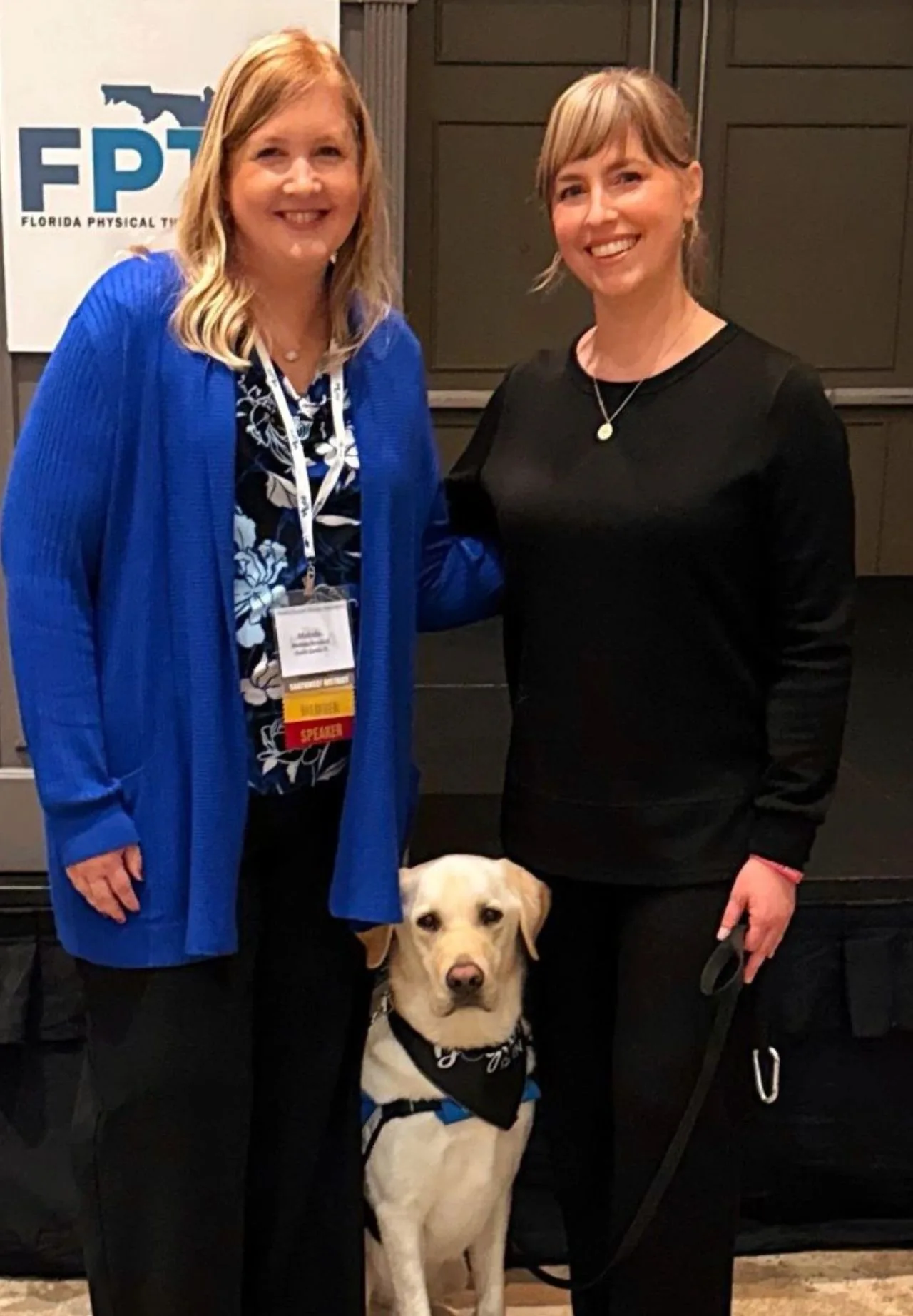
🐾On September 26, 2025, I had the privilege of attending a very insightful and heart-centered professional development session at the FPTA conference in Orlando. It was a deep dive into Animal-Assisted Interventions (AAI). The session was led by Michelle Standard, PT, DPT, MHA, and Megan Hendrix, OTR/L, MSOT, two outstanding presenters whose passion for human-animal connection was matched only by their clinical expertise.
To make the day even more special, their facility dog, Dr. Fitzgerald III, joined the presentation. Watching him in action brought every concept to life. He wasn’t just a demonstration; he was a living example of how animal partners can transform environments, lift spirits, and bridge human connection through quiet presence and compassion.
Their program seamlessly integrated science, compassion, and practical implementation, demonstrating how animals can play a transformative role in healthcare, therapy, and education.
🌟 What I Learned
One of the most valuable aspects of this session was how clearly the presenters differentiated between various forms of AAI:
- Animal-Assisted Activities (AAA): Informal, uplifting interactions that improve mood and well-being.
- Animal-Assisted Therapy (AAT): Goal-directed clinical interventions integrated into treatment plans.
- Animal-Assisted Education (AAE): Structured programs designed to enhance learning, engagement, and motivation.
By understanding these distinctions, it became clear that AAI isn’t just a “feel-good” approach; it’s an evidence-based practice that can drive measurable outcomes in cognition, emotion regulation, and recovery.
🧠 The Science Behind the Connection
We explored several powerful frameworks that help explain why human-animal interactions have such profound effects:
- The Biophilia Hypothesis — the idea that humans are biologically wired to connect with other living beings.
- Broaden-and-Build Theory (Fredrickson) — how positive emotions expand our ability to learn, adapt, and build resilience.
- Positivity Resonance — shared emotional experiences, like those formed with therapy dogs, can foster trust, empathy, and healing.
These theories grounded the work in science, helping bridge the emotional power of AAI with the evidence clinicians and educators seek.
🐕🦺 Dr. Fitzgerald III: The Heart of the Session
Perhaps the most memorable part of the day was meeting Dr. Fitzgerald III, the facility dog whose calm confidence and joyful engagement embodied everything we discussed. Watching him interact with participants and respond to cues illustrated the deep trust, communication, and partnership required in this work.
Fitzgerald’s presence showed us that animal-assisted work is not simply about adding a dog to the environment; it’s about creating a relationship built on respect, empathy, and purpose.
💡 Case Studies: How Dr. Fitzgerald III Changed Lives
Hearing real patient stories brought the theory of Animal-Assisted Therapy to life. Michelle Standard and Megan Hendrix shared several powerful case studies that illustrated how Dr. Fitzgerald III’s presence directly improved therapeutic outcomes within their facility.
Across the examples presented, Dr. Fitzgerald served as both motivator and mirror, responding authentically to human emotion and fostering trust. The presenters’ data showed that sessions involving Fitzgerald resulted in higher participation rates, improved goal attainment, and greater patient satisfaction compared to control sessions without animal involvement.
💬 Personal Reflection
This session left me inspired and grateful. I learned far more than I expected, not only about the AAI program structure and ethics, but also about the human side of this work: empathy, trust, and the importance of authentic connection. This is especially important and useful as Karen (my wife) and I continue our work with Daisy ( www.threepawspublishing.com (opens in a new tab) )
The conversation afterward reinforced my belief that these interactions aren’t just therapeutic; they’re transformational. I’m excited to continue learning in this space and can’t wait for the opportunity for the presenters (and Dr. Fitzgerald III) to meet Daisy.
🎓 Key Takeaways for Educators
For teachers, counselors, and administrators curious about bringing Animal-Assisted Education (AAE) to their schools, here are some actionable insights from this session:
✅ 1. Define Your Purpose
Start with clear goals, is your program focused on literacy, emotional regulation, attendance, or classroom culture? A well-defined purpose helps demonstrate impact.
✅ 2. Partner with the Right Dog and Handler
Not every animal (or human) is suited for every setting. Work with certified teams who understand both child development and animal welfare.
✅ 3. Build Safety and Structure
Follow best practices for consent, allergies, and emotional readiness. Create predictable routines so both students and animals know what to expect.
✅ 4. Integrate, Don’t Add-On
AAE is most effective when woven into the facility. For example, reading aloud to a dog during literacy time or practicing mindfulness through gentle petting.
✅ 5. Reflect and Measure Impact
Track participant feedback, engagement, and behavioral changes. These reflections not only guide improvement but help sustain support from administrators and families.
Originally published on C.O.R.E Framework.