Are You A Curator?
5 min read
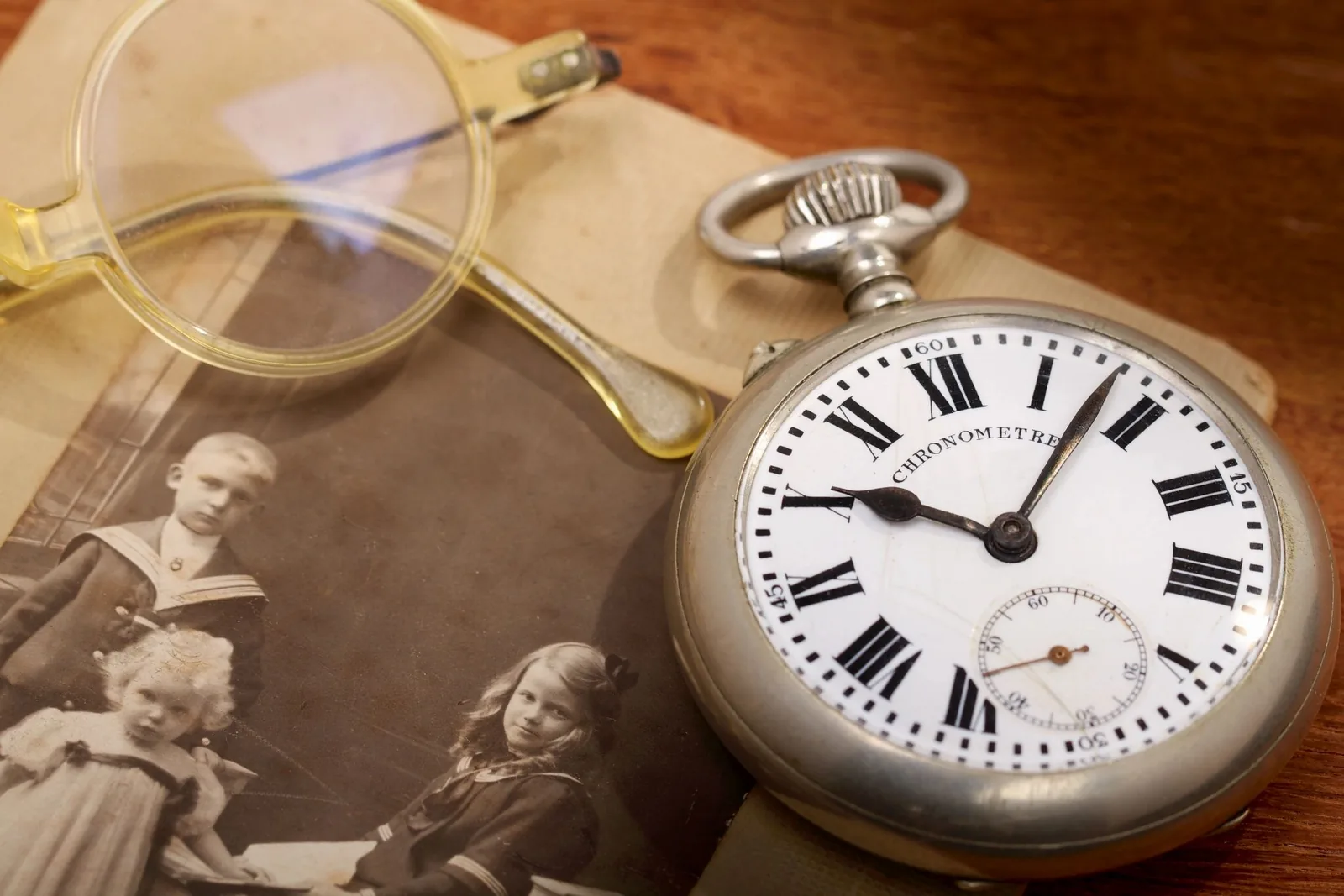
I remember the smell.
Even today, if I were to walk into an antiques store, that smell transports me back to some old barn in some rural town, collecting treasures for my mom's antiques store.
My job was to pick things up and put them down. Move them from the barn to the truck, the truck to the store, and then, if we were lucky, from the store to a customer's car.
The store itself was housed in a Revolutionary War–era tavern. A tavern, by the way, where if I could go back 200 years, I would likely find one of my forebears. Our family had been in the area since at least the time when the timbers on the old building were hewn, and we were related to the original proprietor.
So much history, so much to learn. Sadly, I learned very little. The shop was a marvelous mess of Depression-era glassware on Colonial-era furniture flanked by Victorian chairs. I was surrounded by 300 years of history, and I could not make one bit of sense of it.
That’s what happens without curation.
What Is Curation and Why Does It Matter?
Curation is the intentional selection, organization, and contextualization of objects, stories, or information to create meaning and foster connection (McDermott, 2010; Galilee, 2018). As Beatrice Galilee notes, true curation is relational: the curator brings together materials and experiences that frame conversation, reveal patterns, and encourage discovery.
What does that sound like? If you are an educator, that's what you aspire to do.
Nancy McGovern extends this concept to digital resources, foregrounding accessibility, preservation, and lasting value as core principles for contemporary curation (McGovern, 2018). Nina Simon and Sara Reisman remind us that curation is also about public engagement: carefully orchestrating encounters so audiences are not overwhelmed, but truly engaged (Simon, 2010; Reisman, 2022).
Five core tenets of curation:
- Selection: Purposeful, not indiscriminate.
- Organization: Structuring artifacts or content for insight and coherence.
- Contextualization: Providing the narrative, interpretation, or frameworks that make meaning possible.
- Accessibility: Making collections or curriculum navigable and inviting to all participants.
- Sustainability: Ensuring relevance and usability over time, not just at the point of first exposure.
Curation As a Model for Curriculum Design
Education, at its worst, resembles mom's antiques store, a heap of wonderful fragments lacking pathways, interpretation, or narrative.
The job of an educator, like a curator, is to select the most vital “artifacts” from immense histories and disciplines (Umolu, 2019); organize them into a journey that builds connections; and frame the experience so students can build their own meaning.
Beatrice Galilee’s work shows how public space curation shapes dialogue between objects, people, and context, mirroring how effective curriculum design frames student learning as a coherent experience, not a series of disconnected units (Galilee, 2018). Nancy McGovern’s digital curation models help educational designers ensure information is accessible and enduring (McGovern, 2018; Edson, 2013).
Gwendolyn DuBois Shaw’s inclusive exhibition practice demonstrates the power of contextualization: embracing multiple perspectives brings depth to both curated collections and classrooms, especially when history or science has overlooked certain voices (Shaw, 2019).
Nina Simon’s participatory approach to museum curation translates directly to pedagogy, making learners stakeholders in selecting and interpreting content (Simon, 2010).
Sumayya Vally’s architectural curation highlights the significance of environments: the arrangement and design of learning spaces physically and psychologically shapes students’ encounters with knowledge (Vally, 2021; Arnold, 2015).
Libraries, museums, parks, and classrooms alike benefit from thoughtful curation, enabling users to move purposefully rather than at random.
Hans Ulrich Obrist, perhaps the most influential curator of our time, argues that radical curation is experimental and cross-disciplinary, precisely the direction modern educational design is heading (Obrist, 2015).
Digital curation advocates like Michael Edson and David Weinberger have shown that harnessing information as “networks” rather than silos democratizes knowledge, further reinforcing the need for a selective, connected, student-centric curriculum (Edson, 2013; Weinberger, 2011).
Conclusion
Without curation, learning risks becoming a “marvelous mess.” Applying curation’s guiding principles (selection, organization, contextualization, accessibility, sustainability) educators can transform content from a jumble of isolated topics into a meaningful journey of discovery. The same creative care that goes into curating museums, parks, and public spaces can fuel remarkable curriculum design and pedagogy, ensuring students navigate knowledge not only with guidance but also with curiosity and purpose.
References
- Arnold, K. (2015). Museums and engagement: Designing spaces for public scholarship. Museum Management Quarterly, 7(1), 45–57.
- Edson, M. (2013). Open and accessible: Curation in the digital age. Smithsonian New Media Policy Papers, 3(2), 22–40.
- Galilee, B. (2018). The curator’s new role: Architecture, public space, and cultural storytelling. Design Quarterly, 49(2), 97–113.
- McDermott, C. (2010). Design curation and context: The art of arranging objects. Kingston University Press.
- McGovern, N. Y. (2018). Radical collaboration and the future of digital curation. Journal of Library Preservation, 14(1), 10–27.
- Obrist, H. U. (2015). Curating in the twenty-first century: Radical collaboration and experimentation. Serpentine Papers, 12, 18–35.
- Reisman, S. (2022). Civic engagement through curation: Public art and equity. Public Art Review, 24(3), 34–41.
- Shaw, G. D. (2019). Curating narrative and inclusion at the National Portrait Gallery. Art History Today, 36(2), 204–220.
- Simon, N. (2010). The Participatory Museum. Museum 2.0.
- Umolu, Y. (2019). Beyond museums: Curation, public practice, and participation. Chicago Architecture Biennial Proceedings, 7, 34–59.
- Vally, S. (2021). Counterspaces: Participatory curation and the future of public architecture. Architectural Digest, 142(5), 66–74.
- Weinberger, D. (2011). Too big to know: Rethinking knowledge now that the facts aren’t the facts, experts are everywhere, and the smartest person in the room is the room. Basic Books.
Originally published on C.O.R.E Framework.