How the Navy Seals can Help you Build an Awesome Faculty
5 min read
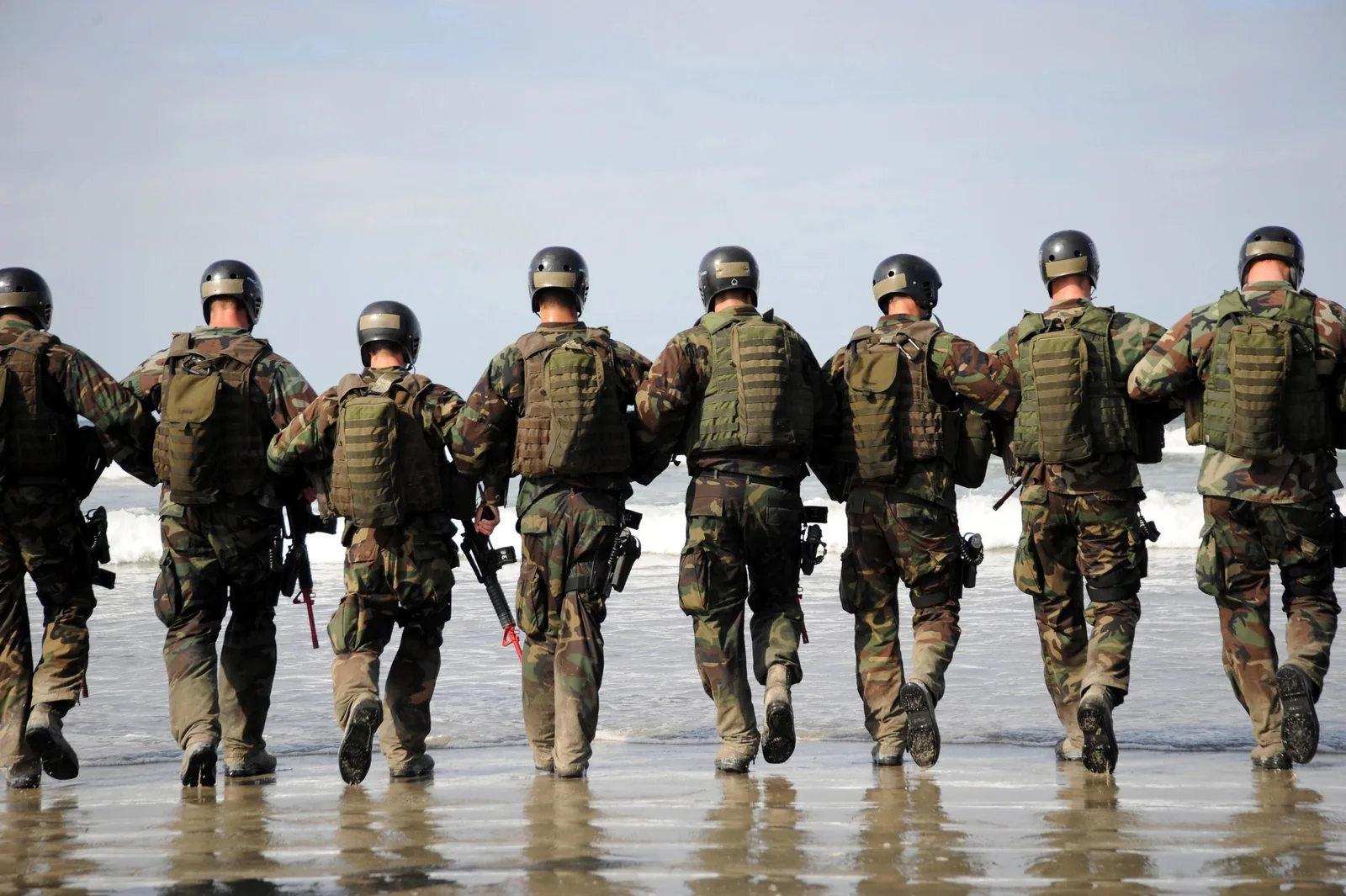
Building a strong, cohesive faculty team is essential for delivering high-quality education and fostering a positive learning environment in any educational institution. While many focus on hiring high-performing individuals, balancing performance with trust is the real key to a successful team. The Navy SEALs Trust-Performance Matrix, as discussed by Simon Sinek in his video "How to Unlock Team Potential: Trust over Performance," (opens in a new tab) offers valuable insights that can be applied to building and maintaining an effective faculty team.
Understanding the Trust-Performance Matrix
The Trust-Performance Matrix is a tool used by the Navy SEALs to evaluate their team members based on two critical dimensions: trust and performance.
- Performance refers to how well an individual executes their tasks and responsibilities. This could be seen in a faculty member's teaching effectiveness, research output, and overall contribution to the institution’s goals in an academic setting.
- Trust is about the reliability and integrity of the individual within the team. It reflects how well a faculty member collaborates with colleagues, supports students, and contributes to a positive and inclusive school culture.
The matrix divides team members into four quadrants:
- High Performance / High Trust: These individuals are ideal team members. They excel in their roles and are reliable, trustworthy colleagues. They are the backbone of any strong faculty team.
- High Performance / Low Trust: These are high achievers who may be excellent in their academic or professional performance but are less reliable or collaborative. While they deliver results, their lack of trustworthiness can undermine team dynamics.
- Low Performance / High Trust: These individuals may not be top performers in the traditional sense, but they are reliable and trustworthy. They contribute positively to the team environment and are often the glue that holds the group together.
- Low Performance / Low Trust: Faculty members who fall into this category are neither performing well nor contributing positively to the team dynamic. They are typically the ones who may need the most support or may not be the right fit for the team.
Applying the Trust-Performance Matrix to Faculty Teams
Prioritizing Trust Over Performance
Simon Sinek emphasizes that the Navy SEALs prioritize trust over performance when building their teams. They recognize that high-performing individuals who cannot be trusted can create toxic environments, leading to team dysfunction and failure. In an academic setting, this principle is equally important. A faculty member who produces exceptional research or delivers outstanding lectures but is divisive, uncollaborative, or unreliable can do more harm than good.
To build a better faculty team, educational leaders should focus on hiring and retaining individuals who are not only competent but also trustworthy. Trustworthy faculty members are those who support their colleagues, contribute to a positive working environment, and are committed to the well-being and success of their students. They are the ones who show up for their colleagues in times of need, share their knowledge freely, and work towards the collective goals of the institution.
Supporting High Trust / Low Performance Individuals
In Sinek’s discussion of the matrix, he highlights the importance of supporting individuals who are high in trust but may not be top performers. In a faculty context, these individuals might be newer instructors still developing their teaching skills or experienced educators who excel in mentoring but may not have the highest research output.
Rather than sidelining these individuals, institutions should invest in their development. Providing professional development opportunities, mentoring, and additional support can help these faculty members improve their performance while maintaining their invaluable role in building a cohesive and supportive team.
Addressing High Performance / Low Trust Individuals
High performance coupled with low trust is a challenging combination. While these individuals contribute significantly to the institution’s metrics of success, their impact on team morale and culture can be detrimental. Educational leaders need to address these situations carefully. Open conversations about the importance of teamwork, collaboration, and trust are crucial. In some cases, it might be necessary to set clear expectations about behavior and interpersonal conduct.
If improvement is not seen, it may be in the team's best interest to reconsider the individual’s role within the institution. The long-term health of the faculty team and the overall educational environment should take precedence over short-term performance gains.
Building a Culture of Trust
To foster a high-trust environment, educational leaders must model the behavior they wish to see. This involves being transparent, dependable, and supportive in their own roles. Regular team-building activities, open communication channels, and a culture that celebrates collaboration and mutual respect can help reinforce the importance of trust within the faculty team.
Encouraging peer feedback, creating opportunities for faculty members to collaborate on projects, and recognizing those who contribute positively to the team’s dynamic are all ways to build and maintain trust.
Conclusion: Trust as the Foundation of a Strong Faculty Team
The Navy SEALs Trust-Performance Matrix provides a valuable framework for building a faculty team that is not only high-performing but also cohesive and collaborative. By prioritizing trust over performance, educational leaders can create a work environment where faculty members feel supported and valued, which in turn enhances their performance and contributes to a positive student experience.
As Simon Sinek points out in his video, "How to Unlock Team Potential: Trust over Performance," trust is the foundation of any successful team. By applying these principles to faculty teams, educational institutions can ensure they are not just achieving their goals but doing so in a way that fosters a healthy, supportive, and thriving academic community.
For more insights, you can watch Simon Sinek’s video here (opens in a new tab).
References
Sinek, S. (2024, January 8). How to Unlock Team Potential: Trust over Performance [Video]. YouTube. https://www.youtube.com/watch?v=RHp0OERuB74 (opens in a new tab)
A navy seal's guide to high performance at work. (2024, June 28). Simon Sinek. https://simonsinek.com/product/a-navy-seals-guide-to-high-performance-at-work/ (opens in a new tab)
Originally published on C.O.R.E Framework.