Peak: Secrets from the New Science of Expertise
3 min read
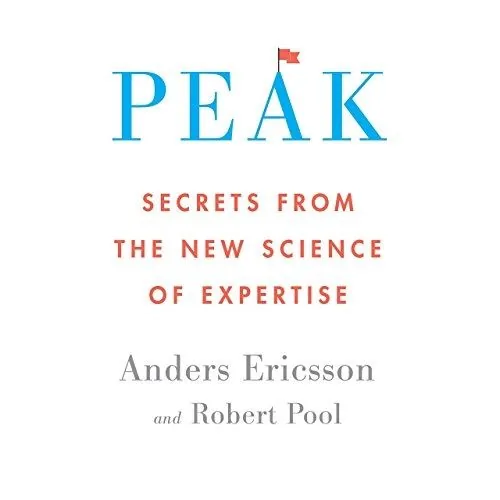
In Peak: Secrets from the New Science of Expertise, Anders Ericsson and Robert Pool upend the myth that innate talent is the key driver of exceptional performance. Through decades of research, Ericsson introduces us to the concept of deliberate practice, a structured and purposeful form of learning that allows ordinary people to achieve extraordinary results. The central thesis? Greatness isn't born, it's grown.
This revelation has profound implications for how we educate, lead, and inspire growth, especially in higher education.
Key Lessons from Peak
1. Deliberate Practice Over Natural Talent
Ericsson argues that expertise results not from talent but from intentional, focused practice. This means clearly defined goals, consistent feedback, and pushing beyond current abilities. It's not about logging hours, it's about the quality and challenge of those hours.
2. The Power of Mental Representations
Experts create complex mental models that allow them to interpret information more effectively. Developing expertise is about building and refining these representations over time. In education, this translates into helping students learn how to think about the material, not just what to think.
3. The Importance of Teachers and Coaches
No one becomes great in a vacuum. Effective mentors design practice activities, diagnose errors, and stretch learners just beyond their comfort zone. Educators must play the role of facilitator, guide, and challenger—not merely information deliverers.
4. Plateaus Are Not Permanent
Learning inevitably hits a plateau, but the right kind of challenge can break through. Students who stagnate aren’t “done”—they’re ready for a new kind of practice. This is an essential mindset shift in curriculum development and advising.
5. Motivation Matters, but Structure Wins
Motivation gets you started, but deliberate practice keeps you going. Higher education must create systems that foster sustained, meaningful progress, moving beyond one-size-fits-all teaching.
Applying Peak in Higher Education: The CORE Framework Connection
The CORE framework, which stands for Concise, Organized, Relevant, and Engaging, aligns beautifully with the principles in Peak. Here's how:
- Concise: Deliberate practice hinges on precision. Educators must design learning experiences that eliminate fluff and get to the skill at hand.
- Organized: Like deliberate practice, instruction should be scaffolded and purposeful. Chaos kills focus; organization facilitates growth.
- Relevant: Mental representations only stick when they feel meaningful. Educators must ground lessons in real-world, relatable contexts.
- Engaging: Deliberate practice is challenging, but it’s also rewarding when students see progress. Engagement isn’t just fun—it’s functional.
A classroom structured around CORE isn't just student-centered—it’s expertise-centered. It turns learning into a high-performance experience, designed to nurture long-term excellence.
Why You Should Read Peak
Peak is essential reading for educators, students, leaders, and lifelong learners. It challenges the comfort of thinking that some people "just have it" and replaces it with the empowering truth that we all can. Whether refining your clinical skills, guiding future professionals, or designing courses that truly make a difference, Peak gives you the science and structure to do it well.
Peak is your roadmap if you’re building expertise in others or yourself.
Originally published on C.O.R.E Framework.