The Power of Self-Compassion
3 min read
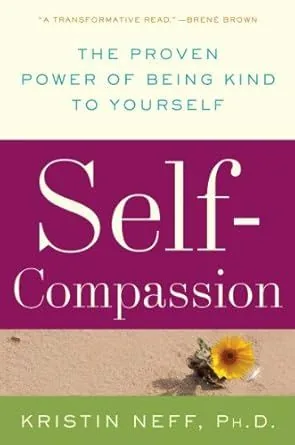
Self-Compassion: The Proven Power of Being Kind to Yourself by Dr. Kristin Neff is a groundbreaking book that explores the concept of self-compassion, which involves treating oneself with the same kindness, care, and understanding that we would offer to a close friend. Neff’s work is based on extensive research and offers a practical guide to cultivating self-compassion as a means to enhance emotional wellbeing and resilience.
Self-Kindness vs. Self-Judgment: Self-compassion involves being warm and understanding toward ourselves when we suffer, fail, or feel inadequate, rather than harshly criticizing ourselves. It’s about recognizing that imperfection is a part of the human experience and treating ourselves with the kindness we would extend to others.
Common Humanity vs. Isolation: Neff emphasizes the importance of recognizing that suffering and personal inadequacy are part of the shared human experience. Instead of feeling isolated by our struggles, self-compassion helps us to see our challenges as part of the broader human condition.
Mindfulness vs. Over-Identification: Mindfulness is a crucial component of self-compassion, allowing us to observe our thoughts and feelings as they are, without trying to suppress or deny them. This balanced approach helps us avoid over-identifying with negative emotions, which can lead to rumination and emotional distress.
Why Self-Compassion is Essential for Educators
Educators play a vital role in shaping the emotional and intellectual lives of their students. However, the pressures of teaching can often lead to stress, burnout, and self-criticism. By practicing self-compassion, educators can cultivate emotional resilience and maintain a healthy balance between their personal and professional lives.
Modeling Self-Compassion: When educators practice self-compassion, they model this behavior for their students. By demonstrating kindness toward themselves in moments of failure or difficulty, educators can show students that it’s okay to be imperfect and that self-kindness is a crucial aspect of emotional health.
Reducing Burnout: Self-compassion helps educators manage stress and prevent burnout by encouraging them to take care of their own needs and recognize their limits. This not only benefits the educators themselves but also creates a more positive and supportive learning environment for students.
Teaching Self-Compassion to Students
Students, especially in today’s fast-paced and competitive world, are often under tremendous pressure to succeed. This can lead to a cycle of self-criticism and anxiety that hinders learning and overall well-being. Teaching students self-compassion can help them develop the emotional tools they need to navigate challenges more effectively.
Enhancing Emotional Wellbeing: Practicing self-compassion can significantly enhance emotional wellbeing, reducing anxiety, depression, and stress. When students learn to be kind to themselves, they become more resilient, better able to cope with setbacks, and more likely to engage positively in their learning process.
Supporting Learning: Self-compassion supports learning by creating a mindset that is open to growth and change. When students are less afraid of making mistakes, they are more willing to take risks, explore new ideas, and engage deeply with their studies. This fosters a love of learning and a more meaningful educational experience.
Promoting Happiness and Effectiveness: Ultimately, self-compassion helps students become happier and more effective in life. By learning to treat themselves with kindness, they develop a healthier self-image and are better equipped to handle life’s ups and downs. This leads to greater satisfaction and success, both academically and personally.
Kristin Neff’s Self-Compassion offers a powerful message that is especially relevant in the context of education. By embracing and teaching self-compassion, educators can enhance their own wellbeing while also equipping students with the emotional tools they need to thrive. The practice of self-compassion fosters resilience, supports learning, and promotes a happier, more fulfilling life.
For those interested in exploring these concepts further, Self-Compassion: The Proven Power of Being Kind to Yourself by Kristin Neff is a must-read. You can find the book here (opens in a new tab).
Additionally, Teaching the Mindful Self-Compassion Program is a valuable resource for educators seeking a deeper understanding of how to integrate these practices into the classroom. You can explore this book here (opens in a new tab).
Originally published on C.O.R.E Framework.