A Fearless Heart
6 min read
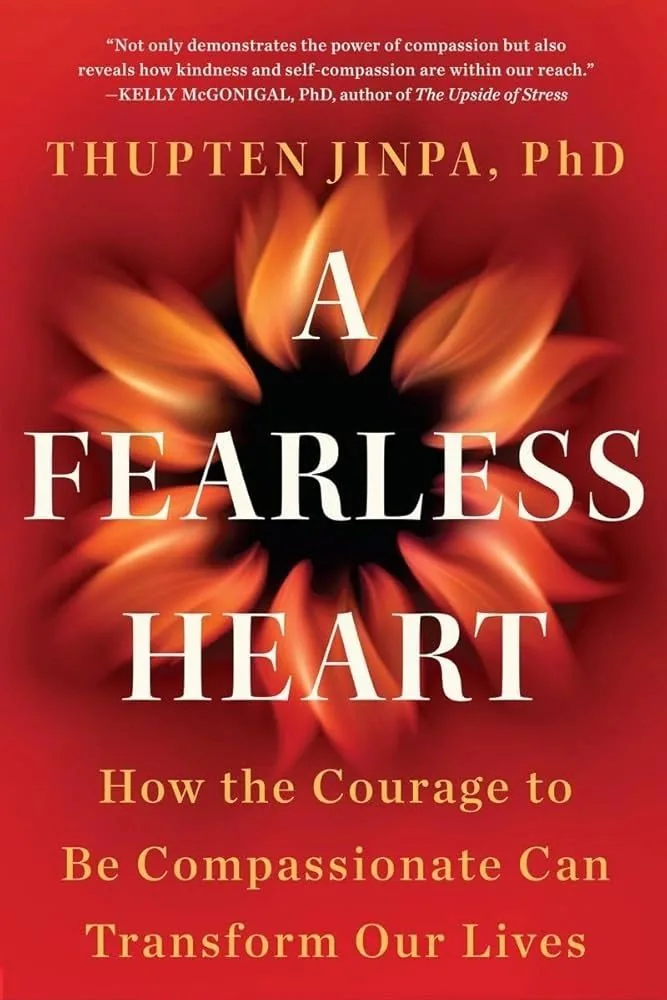
In A Fearless Heart: How the Courage to Be Compassionate Can Transform Our Lives, Thupten Jinpa, a former monk and the principal English translator for the Dalai Lama, explores the profound impact of compassion on our lives. Jinpa offers practical insights and teachings on how cultivating compassion can lead to a more fulfilling and peaceful life. In this blog post, we’ll delve into key concepts from the book, including the difference between empathy and compassion, the reality of compassion fatigue, and the importance of self-compassion in developing a compassionate heart.
Jinpa explores the power of compassion as a means to cultivate inner strength and improve our well-being. Here are the main takeaways from the book:
Compassion as a Fundamental Human Quality: The book emphasizes that compassion is not just an emotion but a fundamental human quality that can be nurtured and developed. Compassion is innate in all of us and can be expanded through practice.
The Power of Self-Compassion: Jinpa highlights the importance of being kind and compassionate to oneself. Self-compassion helps to build resilience, reduces stress, and fosters a positive mindset, enabling individuals to handle life's challenges more effectively.
The Role of Compassion in Relationships: Compassion is crucial in building and sustaining healthy relationships. By understanding and sharing the feelings of others, we create stronger connections and more meaningful interactions.
Mindfulness and Compassion: The book links mindfulness with compassion, suggesting that mindfulness practices can help us become more aware of our thoughts and feelings, leading to greater compassion for ourselves and others.
Compassion as a Path to Happiness: Compassionate living leads to greater happiness. By focusing on the well-being of others and acting with kindness, we experience a sense of fulfillment and joy.
Practical Exercises for Cultivating Compassion: Jinpa provides practical exercises, such as loving-kindness meditation, to help readers develop compassion in their daily lives. These exercises are designed to enhance emotional resilience and foster a compassionate outlook.
Compassion in the Face of Adversity: The book discusses how compassion can be a powerful tool in overcoming adversity. By maintaining a compassionate attitude, individuals can face difficult situations with greater courage and equanimity.
Global Compassion: Jinpa advocates for extending compassion beyond personal relationships to encompass a global perspective. He argues that cultivating compassion on a larger scale can contribute to a more just and peaceful world.
Science of Compassion: The book explores scientific research on compassion, showing how it positively impacts mental and physical health, reduces anxiety and depression, and promotes overall well-being.
Living a Compassionate Life: Finally, Jinpa encourages readers to make compassion a guiding principle in their lives, leading to personal transformation and a more compassionate world.
Empathy vs. Compassion: Understanding the Difference
Empathy and compassion are often used interchangeably, but they are distinct concepts. Empathy involves feeling or imagining the emotions of others—essentially, putting yourself in someone else’s shoes. While empathy allows us to connect with others on an emotional level, it can sometimes lead to emotional overwhelm, especially when we take on the suffering of others.
Compassion, on the other hand, involves not only recognizing another’s suffering but also following that recognition with a clear intention and desire to alleviate it. While this may lead to actions that help others, compassion does not obligate us to take on the world’s problems. Those who practice compassion may be more likely to recognize and act to alleviate suffering, but they generally do not feel anxious over the need to solve every problem. Interestingly, the mere intention to alleviate suffering seems to have positive effects on the overall wellbeing of the meditator.
The Challenge of Self-Compassion: A Lesson from American Students
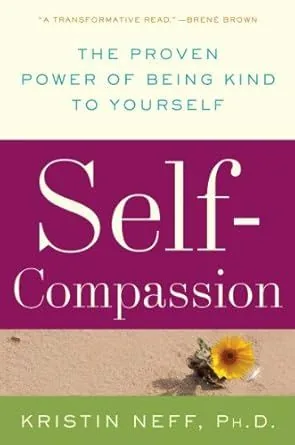
In A Fearless Heart, Jinpa shares a powerful story about teaching a compassion training program to American students. When he introduced the practice of "Metta" (loving-kindness) meditation, he noticed that many students struggled to direct compassion toward themselves. They found it much easier to wish well for others but had difficulty starting with self-compassion. This highlighted a significant barrier: many people have low self-compassion, often being their own harshest critics.
Jinpa emphasizes that true compassion must begin with ourselves. Without self-compassion, it becomes difficult to sustain compassion for others. By nurturing kindness and compassion within, we create a foundation from which we can genuinely care for others without becoming depleted.
How Compassion Benefits Both Students and Faculty
The practice of compassion, particularly through Metta meditation, can have profound benefits for both students and faculty. For students, cultivating self-compassion can reduce anxiety, improve emotional well-being, and enhance resilience, making them better equipped to handle academic and personal challenges. It can also foster a more supportive and empathetic classroom environment where students feel safe to express themselves and engage in learning.
For faculty, practicing compassion helps prevent burnout, especially in the demanding field of education. It allows educators to maintain a sense of balance and purpose, leading to more effective teaching and stronger connections with students. By modeling compassion, faculty can inspire students to develop this quality in themselves, creating a positive cycle of empathy, understanding, and emotional health within the educational community.
Practicing Metta (Loving-Kindness) Meditation
To cultivate compassion, Jinpa suggests practicing Metta (loving-kindness) meditation, which involves silently repeating phrases of well-wishing, first toward oneself and then extending those wishes to others. Here’s a simple version of Metta that you can start with:
Simple Metta:
- May you be well.
- May you be happy.
- May you be healthy.
- May you be free from suffering and its causes.
By practicing Metta, we can gradually develop a compassionate mindset that extends to ourselves, those we care about, and eventually, all beings. This practice not only enhances our emotional well-being but also equips us to face life’s challenges with greater resilience and kindness.
A Fearless Heart* by Thupten Jinpa offers a compelling case for the transformative power of compassion. By understanding the difference between empathy and compassion, recognizing the pitfalls of empathy fatigue, and embracing self-compassion through practices like Metta meditation, both students and faculty can lead more fulfilling lives. When practiced sincerely, compassion enhances our emotional well-being and allows us to connect with others in deeper, more meaningful ways. This book is a must-read for anyone looking to cultivate a more compassionate heart and transform their life.
For those interested in exploring these concepts further, you can find A Fearless Heart here (opens in a new tab).
My Personal Expanded Metta and My Sincere Wish for You:
- May you be well.
- May you be happy.
- May you be healthy.
- May you be free from suffering and its causes.
- May your heart be filled with joy and laughter.
- May you experience love and acceptance.
- May you experience kindness and compassion.
- May you experience calm and contentment.
- May you abide in equanimity free from bias and attachment.
- May you be at peace.
- May you be free from inner and outer harm and danger.
- May you feel safe and protected.
- May you be at ease.
- May your heart be filled with understanding and acceptance.
- May you freely give and receive forgiveness and gratitude.
Originally published on C.O.R.E Framework.