What Students Gain from PT School (It's not what you think)
8 min read
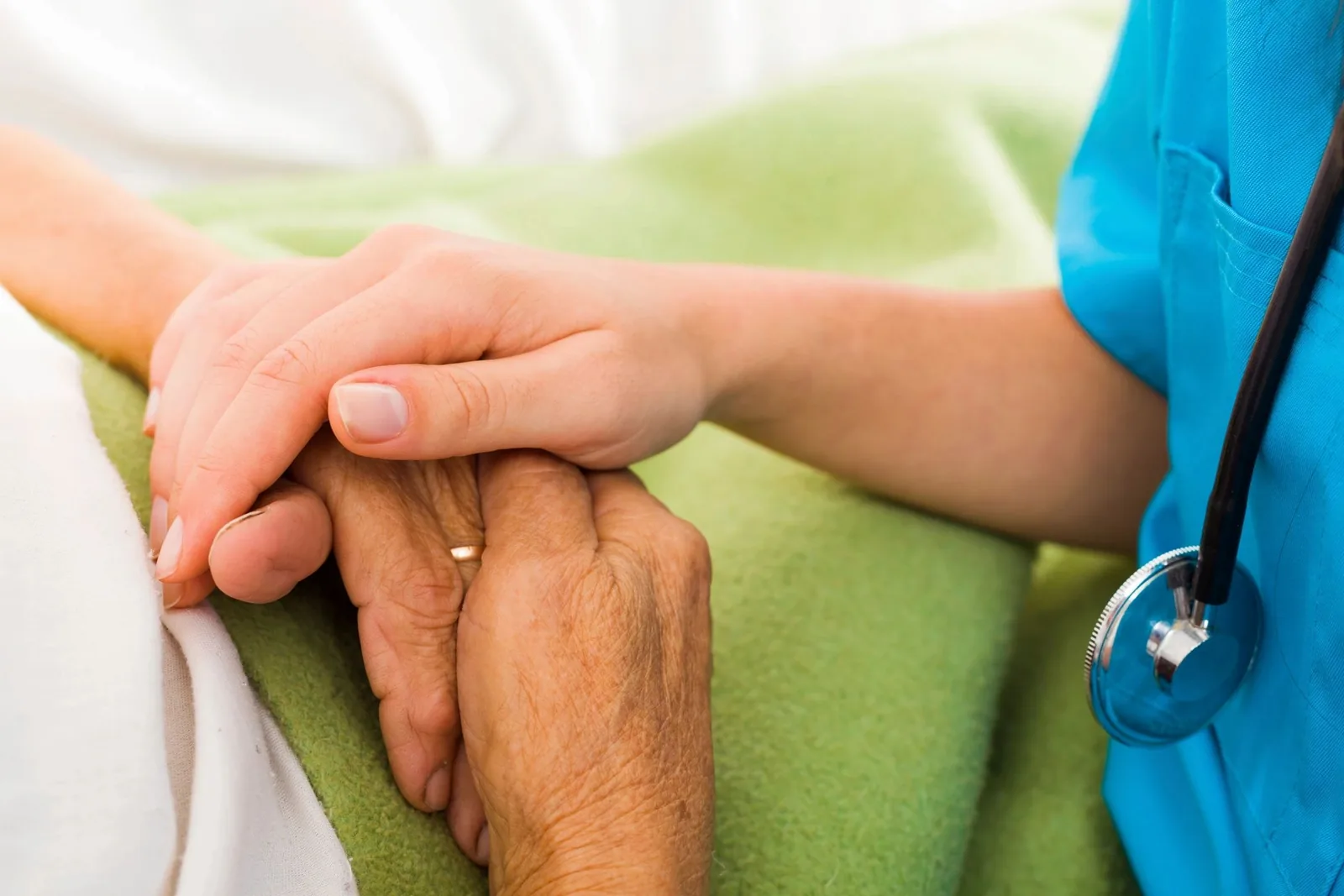
Physical therapy sits at a fascinating intersection. It's simultaneously a rigorous scientific discipline and a profoundly human art. When students enter PT education, they're not just learning to apply techniques. They're learning to become agents of transformation in people's lives.
The Scientific Foundation
The science is essential and complex. Students learn anatomy at a level where they can visualize muscles, bones, nerves, and connective tissues in three dimensions. They study biomechanics to understand how forces move through the body. They master pathophysiology to understand what goes wrong in injury and disease. They learn pharmacology, neuroscience, cardiopulmonary physiology, and the evidence base for therapeutic interventions.
This scientific foundation enables clinical reasoning. A patient walks into the clinic with knee pain. Is it the knee? The hip? The foot mechanics? A compensation pattern from an old ankle injury? A neurological issue presenting as orthopedic pain? Students learn to think like diagnosticians, building differential diagnoses, testing hypotheses through systematic examination, and ruling possibilities in or out based on clinical findings.
The science gives students confidence. They can explain why something works, not just that it does. They can read research, evaluate evidence quality, and adapt their practice as new knowledge emerges. They become scientists who happen to work with human bodies rather than lab equipment.
The Art of Human Connection
But here's where it gets interesting. You can know every muscle attachment, every nerve pathway, every treatment technique in the textbook, and still fail as a physical therapist if you can't connect with the human being in front of you.
The art is in seeing the whole person. That knee pain? Maybe it flared up because the patient just started a new job that requires more standing. Maybe they're caring for an aging parent and lifting incorrectly because they're exhausted. Maybe they're avoiding the exercises you gave them not because they're "non-compliant," but because they're afraid of making things worse or they don't understand why the exercises matter.
Students learn to read beyond the words. Body language. Hesitation. The way someone moves when they think you're not watching versus when they know you're observing. The questions they ask and, more importantly, the questions they don't ask. Fear often masquerades as resistance. Pain often comes wrapped in stories about what it means.
They learn that motivation isn't something you "give" people. It's something you uncover, nurture, and align with treatment goals. A grandmother who's lost interest in her exercises might light up when you frame her recovery as getting back to playing with her grandchildren. An athlete might engage differently when you show them exactly how this "boring" stability work will translate to performance.
The Simultaneous Juggling Act
What makes PT particularly demanding is that practitioners must do multiple things at once, all while making it look effortless.
You're evaluating. Your hands are assessing tissue quality, range of motion, strength. Your eyes are watching movement patterns. Your ears are listening to breathing changes that signal fatigue or pain. You're gathering data constantly.
You're diagnosing. You're forming and testing hypotheses in real time. This manual technique reveals something unexpected. That changes your thinking. You pivot, ask different questions, test differently.
You're treating. Your hands are delivering therapeutic interventions. Manual therapy to restore mobility. Skilled assistance to retrain movement patterns. Careful progression to rebuild strength and confidence.
You're teaching. Every interaction is an opportunity for patient education. You're explaining what's happening in their body, why it hurts, what the treatment is addressing, how they can help themselves. You're translating complex medical information into language they can understand and act on.
You're motivating. You're celebrating small wins. You're reframing setbacks as learning opportunities. You're helping patients see progress they might miss. You're maintaining hope without promising miracles.
All of this happens simultaneously in a 45-minute treatment session. It's cognitively demanding. It's emotionally demanding. It requires presence, adaptability, and genuine care for the person you're treating.
Beyond Techniques: Partnership in Restoration
Here's what separates adequate physical therapists from exceptional ones. It's not just technical skill, though that matters. It's the recognition that healing happens through partnership, not prescription.
Students learn that they're not "fixing" patients. They're not mechanics working on broken machines. They're guides, coaches, and collaborators in a restorative journey where the patient is the protagonist.
This means enlisting patients as full partners. It means asking, "What matters most to you?" rather than assuming you know. It means involving patients in goal-setting, not just telling them what they need to accomplish. It means explaining the "why" behind exercises so patients become intelligent participants in their own care rather than passive recipients of instructions.
When a patient understands that the seemingly simple ankle strengthening exercise is actually retraining the neuromuscular system to prevent future falls, the exercise gains meaning. When they understand that the breathing techniques aren't just relaxation but are actually modulating their pain response through autonomic nervous system regulation, they engage differently.
Partnership means honoring patient autonomy while providing expert guidance. Sometimes patients make choices you wouldn't recommend. Your job isn't to control their decisions but to ensure they're making informed choices. You provide information, share your clinical reasoning, and support their right to decide what happens to their body.
The Transformation Beyond Physical
The most profound aspect of PT education is learning that transformation extends beyond physical restoration.
Students discover they're not just treating bodies. They're treating people navigating identity changes. The athlete is suddenly unable to compete. The dancer whose career-ending injury forces a life pivot. The stroke survivor is learning to inhabit a body that no longer responds as expected and no longer comports with who they knew themselves to be. The chronic pain patient whose entire world has contracted around suffering.
Physical therapists become witnesses to vulnerability, resilience, frustration, triumph, fear, and courage. They hold space for grief over lost function while kindling hope for new possibilities. They learn that sometimes the most therapeutic thing they can do is listen without trying to fix, validate without minimizing, and acknowledge that healing isn't always linear.
Students learn to tolerate uncertainty. Not every patient gets better. Not every problem has a clear solution. Sometimes the best outcome is maintaining function rather than restoring it. Sometimes success means helping someone adapt to permanent changes rather than returning to their previous life.
This requires wisdom that goes beyond textbook knowledge. It requires emotional intelligence, cultural humility, ethical reasoning, and, most of all, compassion.
Students grapple with questions that have no clear answers. How do you balance hope with realism? How do you maintain professional boundaries while genuinely caring? How do you avoid burnout when you're emotionally invested in outcomes you can't fully control?
What Students Ultimately Gain
Learning physical therapy transforms students in ways they don't always anticipate.
They gain a profound appreciation for human resilience. They witness people overcoming obstacles they never imagined facing. They see the human capacity to adapt, persist, and find meaning even in difficulty.
They develop a systems thinking approach. They learn that everything connects. That ankle influences the knee, which influences the hip, which influences the spine. That physical pain influences mental health, which influences physical healing, which influences pain perception. They learn to see patterns and connections others miss.
They acquire the rare ability to toggle between microscopic detail and big-picture perspective. One moment they're focused on specific muscle firing patterns. The next, they're considering how this person's entire life context shapes their recovery trajectory.
They build confidence in their ability to solve complex problems with incomplete information. Clinical practice is messy. Patients don't present with textbook symptoms. Bodies are variable. Students learn to think critically, adapt quickly, and maintain effectiveness even when certainty is elusive.
Perhaps most importantly, they need to cultivate compassion that's informed by knowledge. It's easy to feel sorry for someone in pain. It's more meaningful to understand pain mechanisms well enough to intervene effectively while maintaining empathy and exercising compassion for the lived experience of suffering. No, emapthy and compassion are not the same. More on that in "Empathy vs. Compassion: Why Healthcare Providers Burn Out" (opens in a new tab)
The Invitation to Students
Physical therapy education invites students into a profession where they can integrate their intellectual curiosity with their desire to help people. It's for students who want to understand how things work and also want to make a difference in individual lives and, by extension, the rest of the world.
It's for people who find the human body endlessly fascinating. Who want to understand the elegant complexity of movement. Who are intrigued by the nervous system's capacity for adaptation and the body's remarkable ability to heal given the right conditions.
It's for people who see healthcare as more than treating disease. Who understand that quality of life, function, independence, and human dignity are just as important as survival. Who want to help people not just live longer but live better. To live with less suffering.
It's for people who can hold both the scientific and the human simultaneously. Who can think critically while feeling deeply. Who can maintain professional standards while honoring the messy, unpredictable, beautiful reality of working with people in vulnerable moments.
The Privilege and Responsibility
Students ultimately gain the privilege of being trusted during vulnerable moments in people's lives. When someone is in pain, uncertain, afraid, they invite you into their space. They let you touch them, assess them, push them slightly beyond their comfort zone in service of healing. This is profound trust.
With that privilege comes responsibility. To stay current with evidence. To continue learning throughout your career. To recognize the limits of your expertise. To refer appropriately. To advocate for your patients. To treat every person with dignity regardless of their background, their choices, or how they ended up needing your help.
Students learn that being a physical therapist means committing to lifelong learning. The science evolves. Best practices change. New populations need care. Each patient teaches you something if you remain open to learning.
The Heart of It All
At its core, PT education teaches students to become caring, compassionate scientists who can hold complexity without being paralyzed by it. Who can be systematic in their thinking while remaining flexible in their approach. Who can deliver evidence-based interventions while honoring the unique human being receiving that care.
Students gain the ability to walk alongside people during difficult journeys. Not ahead of them, dragging them along. Not behind them, pushing. Alongside. As partners in restoration. As guides who genuinely care about where the journey leads.
That's what students gain from learning this discipline. Not just skills and knowledge, though those matter enormously. But a way of being with people that combines rigorous scientific thinking with genuine human connection. The art and the science, inseparable, in service of transformation.
And in the process, they're transformed too. They become professionals capable of making a meaningful difference, one patient, one session, one partnership at a time.
Originally published on C.O.R.E Framework.