Teaching with AI:A Practical Guide to a New Era of Human Learning
2 min read
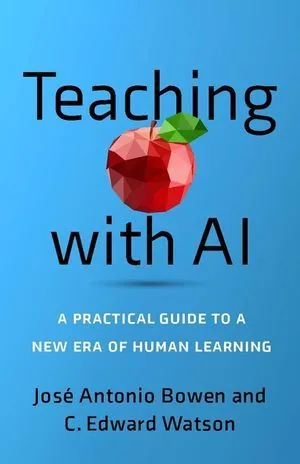
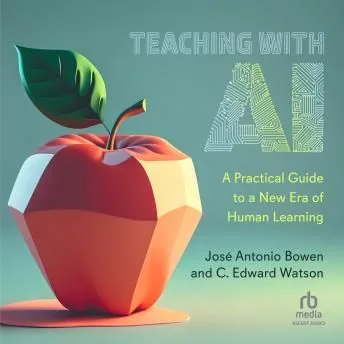
In their insightful book, Teaching with AI: A Practical Guide to a New Era of Human Learning, authors José Antonio Bowen and C. Edward Watson explore the transformative potential of artificial intelligence (AI) in education. They provide educators with practical strategies to effectively integrate AI into teaching and learning, emphasizing the importance of maintaining the human elements that are central to education.
Understanding AI's Role in Education
Bowen and Watson begin by demystifying AI, explaining its current capabilities and limitations. They argue that while AI can handle tasks such as data analysis and personalized content delivery, it cannot replace the nuanced understanding and mentorship that human educators provide. Instead, AI should be viewed as a tool to augment teaching, allowing educators to focus more on fostering critical thinking and creativity among students.
Practical Applications of AI in Teaching
The authors offer numerous practical suggestions for incorporating AI into the classroom:
- Personalized Learning: AI can analyze individual student performance to tailor learning experiences that address specific needs, thereby enhancing engagement and understanding.
- Assessment and Feedback: Automated systems can provide immediate feedback on assignments, helping students identify areas for improvement in real-time.
- Administrative Efficiency: AI can handle routine tasks such as grading and scheduling, freeing up educators to dedicate more time to direct student interaction.
These applications aim to enhance the educational experience without diminishing the essential human connection between teacher and student.
Addressing Challenges and Ethical Considerations
Bowen and Watson do not shy away from discussing the challenges associated with AI in education. They highlight concerns regarding academic integrity, data privacy, and the potential for bias in AI algorithms. The authors advocate for the development of clear policies and ethical guidelines to ensure that AI is used responsibly and equitably in educational settings.
The Future of Teaching with AI
Looking ahead, the authors envision a future where AI serves as a catalyst for reimagining education. They encourage educators to embrace AI to enhance their teaching practices, promote lifelong learning, and prepare students for an increasingly prevalent world. By thoughtfully integrating AI, educators can create more dynamic, responsive, and effective learning environments.
Conclusion
Teaching with AI serves as a comprehensive guide for educators seeking to navigate the evolving landscape of AI in education. Bowen and Watson provide a balanced perspective, acknowledging both the opportunities and challenges that AI presents. Their practical advice empowers educators to harness AI's potential while preserving the human elements that are fundamental to effective teaching and learning.
Originally published on C.O.R.E Framework.